Kitchen's From the Late 1800's to the early 1900's


Here's some kitchens to make you think about how bad it really is the next time your dishwasher dies and you have to wash dishes by hand. Learning about these amazing ladies and how their

During the very early part of this time period, alot of kneeling was done in front of the hearth while you did your cooking and it took awhile for early stoves to progress to thier current height. The women that were lucky enough to own one I'm sure were happy nontheless. Here's a great and abolutely fascinating website if you love the look of antique stoves called StoveHospital. I stumbled upon it and am convinced we need one now:)

The last 2 pictures are from 1903 and are in the book "Homes And Their Decoration", by Lillie Hamilton French. You can read the full book by clicking the title of this post.

The most important issue in kitchen design of this time period was practicality and usefullness above all else. The authors of housekeeping and cookbooks, who were the rockstars of their time and were major movers and shakers of style and popular culture. These special ladies were trying to get others to leave the excessive and showiness of the victorian decorating style and thought that anything unnessesary or purely for decorative purposes was considered in bad taste. Some of the influence of this more minimalist syle came from all of the brand spankin new scientific data coming out about cleanliness and hygiene. Also the benefits of freash air in the home and the harmful effects of dust and ash and coal residue from fuels were big factors influencing how the typical housewife made her everyday choices.
It's funny though that looking at these kitchens today, with simplistic and minimalist in-style at the moment, I wonder what those authors and housewives from long ago would think of our kitchens:)

An appreciation for the past


This week I'm going to do a series showing examples of kitchens of the pasts. This idea came from encountering some people who *gasp* were wondering why some of us have such a love affair with vintage cookbooks. Yes they're out there!

For me one of the reasons is getting that knock down reality check that we all sometimes need when we think we have it hard. I think about the amount of love that the mothers and wives of the past would've had to have had to keep cooking day after day with none of the time saving equipment we take for granted today. It's one thing to say it must of been hard work but it's another to actually see what little they were working with and to imagine ourselves attempting to do it.

We see recipes today that have changed little over the years except in the way they are prepared and that is the part that we forget, the absolutely amazing unsaid preperations behind what are more than a just list of ingredients. To bake a cake in the 17th century meant to do it over an open flame and gauging temperaturing by sticking a piece of paper in and seeing how long it took to brown or sometimes even your hand went in, if you were a good cook. Can you imagine the watching and the waiting, even simple things like the adjusting of temperature took time and work, you didn't turn a knob like today, but had to add more wood or open your flue and you used ingredients that were precious and expensive and couldn't be purchased again if mistakes were made. Such pressure!

So when I come across an early cookbook and see notes about what worked and what didn't, I think that this recipe or this cookbook that I hold in my hands must be good if she went through all that she did and made it. Enjoy and let me know what you think:)

Back by popular demand!


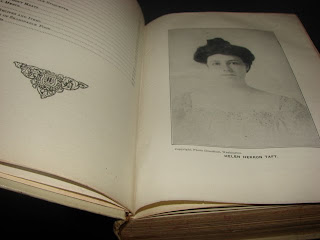
Here it is, one of the jewels! The White House Cook Book written by Hugo Ziemann who was once upon a time the steward of the White House, and Mrs. F.L. Gillette. It is a cookbook treasure that has a special place in cookbook collectors hearts. It's a hefty one with 609 pages and packed with cooking, toilet and household recipes, menus, dinner-giving tips, table etiqutte, care of the sick, health suggestions, facts worth knowing and etc. Also has pic of Helen Axson Wilson, this classic cokbook would put the current First Lady at the time of publishing on the title page. This copy also has pics of Helen Herron Taft and Frances Folsom Cleveland.

Crushed Banana Cake


This recipe is from one of the best cookbooks I have, it's from my personal collection and the lady that lovingly wrote down every single recipe is from my neck of the woods to make this cookbook extra special to me. I have no idea how old it is but from the pics it's resonable to say it's VERY OLD:)
Ps I wrote the recipe EXACTLY as written in the book

Crushed Banana Cake
Ingredients
1/2 C butter
1 C banana pulp (lol)
1 3/4 C sifted flour
1 tsp baking powder
1 1/2 cups sugar
4 Tbsp sour milk
1 tsp baking soda
1 cup chopped walnuts
1/2 tsp salt
2 eggs
Cream the butter, add sugar , then cream again, add the well beaten eggs and the cup of ripe banana pulp that had been ruffed through a sieve. Disslove the soda in the sour milk and beat into the mixture, and lastily add the flour sifted with the salt, add the baking powder. Beat well then add the chopped walnuts and bake in a pan in a moderate oven 15-20 min.

Bananas on FoodistaBananas

Simple Pancakes

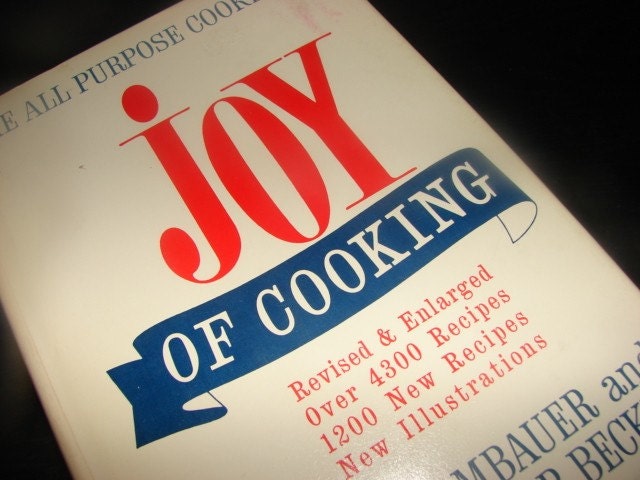
Sometimes I'm amazed at how some people still think they have to buy bisquick or pancake mix in order to make pancakes or waffles. When all the mixes are, is simple ingrediants we already have thrown together in a box along with a whole bunch stuff I cant pronounce. This recipe is from The Joy of Cooking by Irma S. Rombauer and her daughter Marion Rombauer Becker.


Pancakes

Makes about 14 4in. cakes(or 8 of "my family size")


Ingredients
1 1/2 Cups Flour
1 tsp salt
3 Tbsp sugar
1 3/4 baking powder

-Sift together and in a seperate bowl beat 2 eggs lightly, to this add

3 Tbsp melted butter
1-1 1/4 cups milk

-Combine wet ingrediants to dry ingrediants and brown batter on hot griddle.

Hungarian Chicken (My Favorite)

This Recipe is from The king of cookbooks, James Beard himself and one of my absolutely favorite cookbooks with which I actually cook from! The title is American Cookery and is a collection of the best recipes from the past all in one book with Beards opinions and tips for making the food in current times. This specific recipe is from The Neighborhood Cookbook from 1914 and sounds exotic but is simple enough for me to make it for my family pretty regularly with minimal preplanning. I hope you enjoy:)

Hungarian Chicken
Ingredients
6 Chicken legs and Thighs
1 cup of flour or more
1 Tbsp paprika
2 tsp salt
1/2 tsp pepper
4 Tbsp butter
4 Tbsp oil
1 1/2 cups onions
Additional butter and oil
1 cup broth, more if needed
1 Tbsp additional paprika
1 cup sour cream
1 Tbsp finely cut lemon rind

Directions
Put the chicken pieces in a bag with the flour and seasonings and shake well. Heat the butter and oil in a heavy skillet till quite hot, and brown the chicken pieces well on both sides. Transfer to a piece of foil or asorbent paper. Add the onions to the skillet and brown very well, using additional butter and oil if needed. Return the chicken pieces to the pan with the broth and the additional paprika and simmer, covered , till the chicken is just tender- about 20 minutes. If the broth is asorbed add more. Transfer the chicken to a hot serving dish. Add the sour cream to the pan off the heat,stir into the pan juices. Heat for 1 minute. Pour over the chicken pieces. Serve over noodles.
Super Yummy!

Tips for the new Antique Cookbook Collector

TIPS
* Just because a price guide said it was worth a certain price doesn't mean that's what it's going for. A book is worth only what someone is willing to pay for it, just remember that if you're thinking of selling later. Just because it's old doesn't mean it's valuable or rare. Usually authors that are setting prices are selling at the same time and in my opinion not a fair assesment of the market.
* The same word of caution goes for looking up a books worth online. There are scams going on a certain search shopping site where the seller lists the book WAY overpriced and then lists it again at a more normal price to make the lesser look like a steal. I feel terrible for the people that think their cookbook "was going for $80 on the internet!" when in actuality it's realistically worth $15. Find someone knowledgeable and transparent in prices and ask them questions. We all know if they are selling books as a profession they're expecting to walk away with some kind of profit for knowing their field and uncovering these hidden treasure and that’s acceptable but they shouldn't be trying to scam anyone. Check feedback scores!
* Be careful of some online auction sites. Some people unload their crappiest and damaged stuff online making the description of the condition sound acceptable, hiding damage with “creative” camara angles and then ending up having a no return policy when you find out that the description was "sugar-coated". On the flip side you can get amazing steals this way also, it’s a gamble but sometimes it's the only way to get your hands on some of the bigger names. Sometimes you have to start at the bottom of the condition ladder and work your way up, if that's the only thing you can afford. Ask for pics though, the seller should be happy to oblige even if you ask for 20 more pics!
*Usually in the book collecting world writing and personalizing in the copy would decrease the value but that's not the case with cookbooks. The average cookbook collector values the personal touches and the little notes next to the recipes.
*Buy what you like and think "what if I never sell this book" will you be happy to keep it forever. If you are then in my opinion it's a win-win.
*Have fun but set a price limit!
*Research the authors and who they are. There are so many informative articles that go into the history of what makes a book so valuable. Maybe it's the illustrations and cover art or it's the 1st printing of a recipe classic.
*Condition is a huge deal and ALWAYS buy the best you can afford.
Mistake printings can also contribute to a book's value just like baseball cards.
*You can get a feel for whether or not you're going to find anything in vendors stall just by reading a couple titles. Do not spend 2 hours in every stall or store reading every title! Although this is coming from somebody that has spent 6 hours doing the exact thing I suggested not to do:) Odds are that a guy selling antique car books and mags won't have a 1st edition Joy of Cooking but again these are ODDS, So sometimes you gotta play them:)

Other areas to collect

Other areas to collect
You also might decide to collect what you think is GOING to be popular in 20-30 years. That's a great way to ensure long term success and view your collection as more of a investment versus just a hobby. They're alot of people who decide to sell an entire collection once it's complete if there’s an actual and definite end or what they've accumulated over 40-50 years of collecting. Both ways are very profitable.
You might also decide to collect a spin-off of cookbooks such as Homemaking or Housekeeping books of the past. These are also great sources of information and invaluable tips about every problem you can imagine. These books are the original sources of "old wives tales" which of recently you’ll find more people are turning to for alternative remedies. There’s also parenting, family and vintage crafting books that have become extremely popular as of recently.
There is focusing on the kitchen as a whole, usually narrowing it down to a certain decade or era but then collecting utensils, bowls, equipment and maybe decorating examples.

1950's Retro Classic


1950
-The Cookbooks of the 50's are great for the retro lovers in all of us. With the 50’s comes images of kids with slingshots in their back pockets and happy families around the breakfast table, they make you happy and smile just thinking about them. At least to younger generations, talk to someone straight out of the 50’s and they’ll probably paint you a different picture but great covers of dancing hotdogs and women in pearls standing over stoves came out the era. I'm personally not a big fan of the recipes, Jello salads and americanized chop suey all over the place, they’re usually very creative, shall we say with ingredient pairings but great nontheless. At this time there was a huge explosion of pan-am and latin culture love, think Ricki Ricardo ( I Love Lucy). From that comes Chiquita Bannana and Brazil Nuts and etc. in a lot of the advertising and recipes.

1940's Vintage Cookbooks


1940
-The cookbooks of the 40's are great! There’re great dinner party and hostessing ones at about this time. If you can find some of the WW2 related ones they're super facinating to read. Subjects like how to bake with limited eggs and milk, what types of cuts of meat to pick to make you budget stretch and of course, victory garden cookbooks and home canning guides. The rationing chapters that are usually added to the bigger name cookbooks can sneak through a dealers eyesight and can be picked up for a steal if you know what your looking for. Usually very patriotic in illustrations and general theme. They're also valuable because of cross-collectibles meaning more than just cookbook collectors would want them. Company advertising booklets started to aim their efforts at homemakers and housewives at about this time due to leftover processed food products from the war. Their pitch? Let us make your life easier so you can enjoy the funner asspects of life like having dinner parties and bridge luncheons that lo and behold also had to include their products naturally, of course.

1930's The Great Depression Years

1930
- The cookbooks of the 30’s are gems for the obvious reasons. These women had to do it all, maintaining life as normally as possible, but with the drastic decrease to incomes that literally happened overnight due to the Great Depression. Another reason that these cooksbooks are a rare treat is due to the fact that there weren't alot of companies and publishing houses printing any new books for obvious reasons. The cookbooks that were published are usually budget-minded and very practical. Money saving tips and stretching your dollar themes are common.
This is where the glamorous and excessive recipes of the roaring 20's came to dead stop and the start of practical and miserly recipes of the 1930s started. Hostessing large, grand parties stopped. There was still entertaining but in more of a small and intimate setting with close friends, think bridge clubs and church luncheons These are where some amazing stories and recipes can be found. Makes you humble and grateful!

The roaring 1920's

1920
- The cookbooks of the 1920's are known for their amazing cover illustrations and simple recipes. I love these cookbooks for the sweetness of them. Beautiful hand drawn illustrations can be found between the pages. If your lucky enough to find any with information regarding WW1 they are always desirable and quite rare but more about wartime cookbooks in the section about the 1940's.

1900-1910 Cookbooks Part 3 of 3

Part 3
A truly great antique and vintage cookbook collector should be able appreciate what cookbooks from different eras have to offer and should learn what makes each decade special. A great deal of history can be learned from each decades own collection of cookbooks to point it's almost overwhelming, so to make it easier let's break it down into years and highlight what makes each decade special:

1900-1910- Cookbooks from the early 1900's are great for the reason that women and views of them were changing, women wanted acknowledgement and recognition. They started to make cooking more of a scientific accomplishment than it had been in the past. That's when exact measurements came out and sanitation and cleanliness facts were made available to the masses in a way it hadn't before and how did they accomplish such a huge endevor? How did they get the information to the masses? In cookbooks! The majority of books that were published were authored by women FOR women. They were generally the only non-fiction books that were controlled by women and a great way to promote values and lifestyles. They were the descision makers of the home and cookbooks were a way to change how society as whole thought, as their choices filtered to the next generations through their children.

So how do you collect Vintage Cookbooks? Part 2 of 3

Part 2
The best place to start is to research cookbooks of value and find out why it is they're so high priced. There are so many informative articles that go into the history of what makes a book so valuable. Maybe it's the illustrations and cover art or it's the 1st printing of a recipe classic.
Research the authors and who they are. It makes it easier looking for them than memorizing titles and covers that’s for sure. Did they write a lot or for a certain company? Which are valuable? Is it because of writing styles or was it because of the recipes themselves?
Most of the time vendors don't do the research on all the books they have for sale, but you can walk in and know exactly what you're looking for and know that your paying for something valuable and rare that’s WAY underpriced! It's a good feeling and oh so addicting!
You should narrow your collection to a smaller catagory like certain decades, specific authors or your personal nationality’s cookbooks but whatever your niche is, FIND IT. It makes finding what you're looking for so much easier because "you can't collect EVERY cookbook in the world" -my sometimes very nervous husband. I laugh every time he says that by the way!
Appreciate what cookbooks from different eras have to offer and what makes each decade special. A great deal of history can be learned from each decade's cookbooks so let's break it down:

Why Collect Vintage and Antique Cookbooks? Part 1 of 3

Part 1
People collect vintage cookbooks for so many different reasons, it would impossible to name them all here. Speaking for myself, they're a great peek into the personal side of history. We were all taught the names of the famous generals, kings and dates of all of the important wars and events, generally speaking, things the majority of us have nothing in common with. Nothing to makes us feel connected to the past. But what about the other 95% of the days and people that weren't important or dramatic enough to make it into the history books? People like myself? I feel that cookbooks are a great way to expierience that personal connection with people that have been through the same things. What to make for dinner? On a budget? How to keep a nice home and manage your family? All have been done before and written endlessly about. A great thing about older cookbooks compared to current is that it's delicious real food made with things you already have in your pantry. Simple, great tasting food, no exotic spices here You know the recipes I'm talking about, the ones you realize you have to run to the store for half way through completing. There're no egos getting in the way of the food either like some of the celebrity chefs of today. They're also a great investment. Financially and personally. Not to mention, let's say you never plan on selling it or try ing to make a profit from them, cookbooks usually saves you way more than what you paid for it in the tips alone and what a great family keepsake to one day hand down!

The White House Cookbook History

The very first White House Cook Book was published in 1887 by a lady named Fanny lemia Gillette. She had been compiling what would becoe one of the most important cookbooks to date for almost 40 years. Inside are recipes for cosmestics to cleaners, how-to's on hospitality to child rearing. Everything the lady of the house from the vistorian era ought to know. It's great tips on almost every topic made this cookbook a favorite for brides-to-be. Besides having some engravings of a few of the first ladies it lacks any of the facts about the White House itself.

Later editions featured Hugo Ziemann, the White House Steward as a co-author who included facts and illustrations of the famous house. Most of the editions include a picture the current first lady at the time of printing was, on the front piece of the book. They have amazing illustrations showing the interior of the white house that included presidential table settings and all of the classic famous prseidential rooms.
The very early editions are incredibly hard to find largely due to printing on poor quality paper, making the pages brittle and succeptable to damage. So quality and condition play a VERY big part in the value of this antique cookbook.
A great keepsake and rare collectible from any publication date makes this a true american treasure!

THE WHITE HOUSE COOK BOOK


Make sure you check out The White House Cook Book's history Here!!

Super Special Vintage Cook Book of the Week

My Vintage Cookbooks Store will now be posting a feature cook book each week and explaining who the author is, why the book is special, rarity and current market values. I have decided that this week the Super Special Book OF THE WEEK IS .............
Vintage Cookbooks are for everyone who has ever wanted to bake something special and turned to a modern cookbook and realized they never seem to have all the ingredients at the same time, there're for history lovers that want to feel connected to the past in a way that's missing in history books, there're for the people that love that musty old book smell and laugh at kindle's, they're for people that feel like we as a society have gone a little too far, a tad off course with life and want to get back to the simple and the real, and they're for the people that want to pay homage to all the grandma's and great aunts that did it best!

CookbookAddict on Flickr - View my recent photos on Flickriver

My Store